I decided it might be time to post some of my recommendations for pilot gear, so first in line is a quick headset review.
First some terminology:
PNR=Passive Noise Reduction: Passive Attenuation of noise is what most of us are used to, things like protective ear muffs and ear plugs provide passive noise reduction by physically blocking/damping the noise before it gets to your ears. This tends to reduce high frequency sound but allows most low frequency sounds to get through.
ANR=Active Noise Reduction: Active Noise Reduction is an electronic system that uses a small computer circuit coupled with a microphone and speaker to sample sounds that get inside the earcup of the headset, the system then evaluates that sound, assigns a waveform to it, and then transmits a mirror image of that waveform (mirrored along the x- axis of the wave) from the speaker. This has the effect of cancelling the incoming sound wave. These headsets use the PNR aspects of the earcups to stop most of the high frequency sound just as in a normal PNR headset, but they augment this with the ANR circuitry to hit the low stuff.
For details on PNR vs. ANR see this link (pretty cool)
http://www.avweb.com/news/avionics/183224-1.htmlI have used headsets from many manufacturers, none are perfect, some are better suited to one task than others so here is a quick rundown.
[ To see my top pick for a new pilot, skip to the part marked with "********"]
My first headset that I owned was a SoftCom Silver Fox, I paid $96.00 for it. It was light, comfortable and had good sound quality. It seemed like a better headset than the 3x more expensive similar model from David Clark that I also owned, that is until the thing shorted out when I was on downwind for landing and I could not announce my intentions in a crowded terminal area. . not fun! I only managed to get about 70 hours of flight time out of it before the connectors went south, I always took good care of it and don’t think this should have happened. SoftCom reportedly has OK customer support, but this doesn't help you when your headset fails in flight. . .and when out of warranty, you have less ground to stand on, while other companies seem willing to keep working with you. Softcom sells higher end headsets, and many have 3 or 5 year warranty coverage so they may very be a good buy for those on a budget, but I would not recommend them given some of the great alternatives.

DavidClark H10-13.4
The most popular headset manufacturer out there is David Clarck Co. The David Clark series headsets are known for being as close to bombproof as you can get. They are all Mil-Spec and seem to last and last and last. They are, in my evaluation over-priced if you compare them on paper to others, however they may very well out last others, and even if they don't the DC customer service is known to be about as good as it gets. I have owned the H10-30, the H10-13.4, and used the H10-13XL (ANR). The 13.4 is the lightest DC headset, the ear cups seem much less tough than other DClark headsets, it is around 14.5 oz (13.4 without the gel earseals) but it only has a noise reduction rating of 23db, and to be honest isn't that comfortable or quiet. The 10-30 is heavier, has a cheaper microphone, the same or maybe a little better NRR, and similar comfort and sound quality as the 10-13.4, but will probably stand up to abuse better. The 13XL adds ANR (and $300.00) to the headset which helps to reduce low frequency noise by approx. 17 db in the 100Hz range (which is int eh frequency range of the rumbling from the prop and engine), this headset weighs 17 oz and for an ANR DC seems lighter than I would have expected, the earcups look like they came right off of the 13.4 which will proabably explain that, and they lack the robust build feeling that the heavier DCs are characterized by.
The 10-30 will cost you about $240.00, the 13.4 is from $270.00-$300.00, and the ANR models start around $600.00. The 13.4 is the number one selling headset out there, it gets the job done, is lighter than most DC headsets, but should still have great long term life if you take care of it.
I use the 13.4 and the 10-30 in my aerobatics helmet, they are tough enough to handle competition where my mind is on other things than being gentle to my headset, the fairly high clamping force also helps to keep them from shifting if I don't happen to have my helmet on tightly. I don't find them as clear or quiet when talking on the intercom or over the coms radio as I have grown accusomed to by my other ANR headsets, though overall they are good enough compared to other passive headsets as long as you are comparing them to cheaper headsets. I just use earplugs under the headset and that works fairly well, though I am growing tired of that and am thinking I will sell the 13.4 for something with a little better sound quality and higher NRR, probably an ANR model from either Sennheiser, Lightspeed, and if I won the lottery, Bose. (Update, I got rid of the 13.4s and am not looking at trying an In the Ear Headset such as the LightSPEED Mach1)
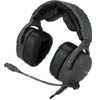
LightSPEED 20XLc
A few years ago I tried the Lightspeed 20XL that a friend of mine used, I liked the lightweight, comfy headpillow and earseals. . . even though Ben laughed at me for looking a little like "BoyRocket." I knew why these were such popular headsets from reading reviews and seeing so many of them starting to turn up, but I wasn't sure I would really like ANR enough to warrant the purchase. These have been an extremely popular ANR headset that has brought the market price of ANR down, and the NRR up, but are they still good quality? Well, I ended up buying a LightSPEED 20XL2 and that is my primary headset for non-aerobatic flying. I will never go back to passive headsets for long flights after using this. Overall it is much quieter in the cabin, in particular the constant low pitch rumble from the engine and prop are reduced. If you just swap between this and a passive headset you will not see the whole picture. You must wear each one long enough to have some radio communications, what you will find is that the radio volume can be muuuuuuch lower, and the clarity is much better with the ANR headset which allows the sometimes shrill audio to be much softer and quieter, a quiet flight isn't just about the noises of the wind, engine and prop! So while it is true that the overall effect is a quieter ride with ANR, IMHO it is the lack of booming scratchy transmissions that really reduces my fatigue and headaches that I used to get from longer flights with passive headsets. My complaints are 1) the headset is a bit high and wide so taller pilots in cramped cockpits may bump the ceiling and windows 2)Though comfy the headset's lack of much clamping force doesn’t help to hold the headset on when you are pulling G's (More than 3G, so not important if your not into acro) 3) when on the ground and in the climbout I have sometimes heard a strange wobbling squelch sound that seems to relate to idle engine power, I also can sometimes hear the sweep of the radar across the aircraft through the ANR speaker, not too big of a deal really. The battery box is a slight pain to situate in the cockpit, but that is an issue with most portable ANR headsets (though PilotAvionics Liberty series uses earcup mounted battery so there is no battery box in the cord). The 20XLc (cell phone interface) runs around $435.00 and IMHO is a great headset for that price. There is a similar but not as quiet 15XL for 375.00, and the new 3G series are the flagship models (though not really that different if you don't listen to music while flying). The LightSPEED is the closest I have used as far as comfort and sound to the BOSE X, and it is less than half the price. One last nitpick is that LightSPEED uses a long strain relief on the cable that runs from the earcup, and it is directed straight down so it can get hung up on your seatbelts, especially if you are wearing a parachute.
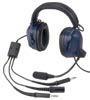
Sennheiser HMEC 300
Sennheiser's HMEC 300 is also a very nice quiet ANR headset that hangs on well for aerobatics, has great sound, and is fairly priced at 559.00. It is lightweight, and feels a lot like the LightSPEED QFR that I mention next, only with ANR. My only real gripe about this is that the cord has three cables at the end, the normal two connectors for the microphone and speakers, but then there is a large battery box at the end of a third dongle. This is nice for most non-aerobatic pilots, but is a pain to secure in aerobatics. I use this headset in the Extra 300L but in a panel mounted variety that is permanently fixed in the plane, it gets it power from the aircraft, and thusly has no battery box. . .but for a portable, pass on these until they get a better battery system.
**************************************************
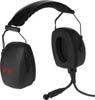
LightSPEED QFR SOLOc
Now, at this point you might be thinking, "Wow, these ANR things are expensive!" well yeah they are, and so are your ears, but before you go on thinking I am trying to sell you some expensive Active Noise Reduction gear, I have one last headset that I want to mention that is REALLY quiet for a passive headset, in fact to me it seems nearly as quiet other than the more obvious low frequency rumbling that makes radio communications need to be just a bit louder than in the ANR headset to give good clarity. This is also made by LightSPEED, Ben owns two of them, and loves them, so do his passengers. These are the QFR Solo series headsets. These have the highest NRR rating for a passive headset at 25-28 db (depends on model), they are very light, and somehow they don't have very much obvious clamping force at all despite the high NRR, and despite that lack of clamping force (sensation of it anyway) they hang on just fine in most aerobatics (chin strap needed for serious negative G or tumbles of course). These still have a box in the cord, but it is for individual volume controls. My only gripes are, the fit and finish aren't quite DavidClark standard, their tolerance to abuse probably isn't up to DavidClark tank-headset standards either, though I haven’t heard of any problems with them, and lastly that the speakers and microphone seemed a little bit scratchy in sound quality to me, but when I mentioned it to Ben he looked at me cross-eyed, he thinks his are better speakers than in his David Clark H10-20s. In any case, I am really picky and this is a real nitpick for me, but if I have to think of something negative about them it's this, and really it's probably changed with the newer models which have higher quality speakers, though most reviewers don't seem notice a difference. These also use the long strain relief on the cable that runs from the earcup as mentioned in the 20XL review.
The original QFR Solo can be found for around $125.00 though it is really rare now, the replacement that adds the cell phone interface is $155.00, the QFR SOLOssc adds studio quality speakers, and more comfort for 195.00.
In my book, these perform far above what they cost, you will find that the DavidClark headsets that cost twice as much will be inferior to these in almost every way. Light, quiet, comfortable inexpensive, nice features, lots of headroom due to the narrow headpad, and cheap enough to be a no brainer. If you ever move up to ANR they will be a nice treat for your passengers too!
Highly recommended for those looking for a Passive Noise Reduction headset!
http://www.sportys.com/acb/Category.cfm?&DID=19&CATID=94I have no experience with Sigtronics but both look like they make nice headsets for good prices. . . but I know they aren't going to compete with the LightSPEED QFR.
Peltor also has some nice headsets, but they are hard to find locally so you have to try them out after buying a pair online. . .their ANR ProGT model looked like a good combination of PNR and ANR, low weight, low profile headband, and a small battery box – I considered this set, but never went through with it.
*********************Update - October 2008*********************
My LightSpeed 20XL2 has developed a loose connection in the music interface port, I’m going to call LightSpeed on Monday and see what my options are. I’ve had this headset since 2003, and haven’t really used the music port – but all the same, something is loose in there.
Clarity Aloft - in the ear headset.

http://www.clarityaloft.com/images/home_01.jpg”>
These are “in the ear” headsets that are little more than hearing aid speakers inside of earplugs, with a wire headband, and flexible mic boom. They are a little more fiddly than a conventional headset - but it still doesn't take long at all to put them on/in. You put the band on, affix the lapel clip on the cord so that the headband doesn't need to carry the weight of the cord, insert the plugs (without rolling them) and that's that. Once you've done that it's pretty much weightless, it's feels like wearing nothing at all. As far as comfort overall, well, they are earplugs with a headband. . .if someone HATES earplugs, they probably should try to get used to foam earplugs if they want get one of these. They do come with a set of standard tips, with one pair of slim tips so you can see what works best.
I've gotten more used to wearing earplugs over the years, but I used to be one of those people that would get sore ear canals pretty quick. Provided the plugs are properly inserted, and the appropriate size, I don't have that issue anymore. Also, the clarity aloft comply foam is a little higher quality than the earplugs you usually see. . .they are a little easier to insert correctly, at least for me. The only discomfort I ever felt was that the headband was a bit tight just in front of my ears, and needed to be bent a little - easy to fix!
My main reason for buying them was for use in aerobatic aircraft where low weight is important (My old DCs were heavy - particularly at 10 G's), headroom is handy since tall pilot+negative g's+metal headband+expensive canopy= bad news, and good passive attenuation is best since it seems that in a really high noise cockpit ANR tends to get overworked and securing a battery box enough to keep it from flying around is a pain. . .not to mention I can fit an affordable skydive helmet over them rather than needing a dedicated, and heavy, HGU type helmet.
So far the longest flight I've worn them was 2.6 hours in a 172. The ear tips were pretty comfortable for me, it was a hot day, and it was nice not having the hot ears from a conventional headset. They actually seemed about as quiet as my ANR Lightspeed 20XL2s which I had just been wearing. After landing – I was pretty happy with my purchase, but the real test was yet to come. . .
After the drive from CCR to HWD I hopped in the Pitts S-2C that would be the true test of their noise attenuation, stability of the headband, and comfort. At takeoff it was pretty clear that these were a lot better at dealing with the noise than headsets I've tried in this type of airplane (David Clark 13.4s and 10-30s, Lightspeed QFR solos, Sennheiser HMEC300, and BoseX). The rest of the flight only confirmed it – they were superior to what I'd had before in every way. Lighter, lower profile, and quieter. . .the audio quality was quite good also, and I could keep the com volume pretty low, which was a first in the Pitts. We actually tried a little music during the flight – it sounded great and didn't need to be very loud in order for me to hear it clearly.
So 3.6 hours of use in fairly short succession, and in totally different cockpits was good enough for me to decide that I'm going to keep them. If I never flew aerobatic aircraft I probably would be happy enough with a more conventional headset, but for cramped cockpits, or for people who don't want to mess their hair, or feel the weight, clamping pressure or hot spots of a conventional headset, these are great! If you DO fly aerobatics – it's a no brainer!
Lightspeed Zulu
I’ve also purchased the new Lightspeed Zulu. The Zulu is a big leap forward for Lightspeed in the fit and finish department, and a departure from their other ANR designs. They took the advice of pilots flying their previous designs, they looked at the market and added features that pilots wanted in a headset – such as Bluetooth capability in addition to the wired cell phone interface, they also built this headset with the audiophile pilot in mind with excellent acoustics and their “Front Row Center” audio mode that is an improvement over the basic stereo experience. The magnesium earcups and headband are joined with composite materials that have a soft rubberlike feel, the earcups and headpads are luscious for being foam covered in leather, and the earcups and headband are much lower profile than the XL/3G models were. I haven’t even mentioned how they sound in a plane yet. . . and of course, the noise reduction is literally second to none in the ANR headset market. These can be used well in aerobatic aircraft too – they handle the noise levels well, are light weight, and can fit in a Perron mesh aerobatic helmet. You do have to secure the battery box somehow though. So far the only nitpick I could make is that I’d like a little more robust volume sliders, they seem a bit out of place compared to the rest of the headset, but otherwise, this headset seems a lot better than previous Lightspeed models as far as initial exterior build quality and fit and finish. How it stands the test of time will ultimately tell the tale. . .Lightspeed is known for great customer service, let’s hope I don’t have to use it.
S!
TX-EcoDragon
Black 1
TX-Squadron XO
